


As fitness experts, we are committed, passionate, and motivated.
If we were to pinpoint the two main drivers behind our commitment to delivering exceptional value to the fitness community, it would undoubtedly be our unwavering focus on exceptional product quality and unwavering dedication to customer satisfaction.



Cold-Weather Warm-Ups: Protecting Joints and Tendons as Temperatures Drop



Cold-Weather Warm-Ups: Protecting Joints and Tendons as Temperatures Drop
As autumn turns to winter and ambient temperatures plummet, stepping into a cold gym or gearing up for an outdoor workout presents immediate challenges to your musculoskeletal system. Cold air does more than just make you shiver. It fundamentally alters tissue temperature, synovial fluid viscosity, and neuromuscular responsiveness. Skipping or rushing your warm-up during the colder months significantly increases the risk of acute tears, tendonitis, and joint sprains.
Adapting your pre-workout routine for winter is essential for protecting your body and sustaining progress. By understanding how cold weather impacts joint mechanics, implementing a targeted dynamic warm-up, and supporting recovery with dedicated protocols, you can train hard and remain injury-free all winter long.
The Science of Cold Weather on Joints, Tendons, and Synovial Fluid
To build an effective winter warm-up, you must first understand what happens to your body when temperatures drop. Connective tissues (such as tendons, ligaments, and joint capsules) rely on temperature and blood flow to maintain elasticity and shock-absorbing capacity.
Key Physiological Effects of Cold Temperatures
-
Increased Synovial Fluid Viscosity: Synovial fluid acts as the internal lubricant for your joints. In cold conditions, this fluid becomes thicker and more viscous. This increases internal friction within joint capsules, leading to stiffness and reduced range of motion until core body temperature rises.
-
Reduced Tendon and Ligament Elasticity: Tendons are composed primarily of collagen fibers. Cold temperatures decrease collagen compliance, making tendons stiffer and less compliant. When subjected to sudden heavy loads without adequate warm-up, rigid tendons are far more prone to micro-tears and tendinopathy.
-
Vasoconstriction and Delayed Blood Flow: Exposure to cold air triggers peripheral vasoconstriction, pulling blood away from extremities and superficial connective tissue to protect vital internal organs. This reduces oxygen delivery and delays tissue warming.
-
Altered Spindle Sensitivity and Neuromuscular Control: Cold muscles and joints exhibit delayed nerve conduction velocity. This slight delay in neuromuscular signaling impairs joint stabilization during explosive movements, elevating the risk of acute sprains.
Clinical research published by the National Institutes of Health documents that reduced tissue temperature directly decreases muscle force output while increasing passive stiffness in connective tissue, confirming the necessity of active thermal warm-ups.
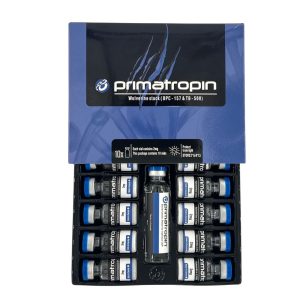
Supporting soft tissue integrity during cold-weather training blocks often involves incorporating targeted peptide protocols from our Primatropin selection. Specialized tissue repair compounds like Primatropin BPC-157 and systemic repair agents like Primatropin TB-500 support local healing pathways. Stacking these in comprehensive options like the Primatropin Wolverine Stack helps protect joints and connective tissues when training under heavy winter workloads, especially when reconstituted with sterile Primatropin Bacteriostatic Water or Pfizer Bacteriostatic Water.
A 4-Step Dynamic Warm-Up Protocol for Winter Training
Static stretching before lifting in a cold environment is ineffective and can actually increase injury risk by stretching cold, unprimed fibers. A proper winter warm-up must be dynamic, progressive, and focused on elevating core body temperature from the inside out.
Data provided by the Journal of Physiology emphasizes that dynamic temperature elevation enhances tissue compliance, accelerates nerve conduction velocity, and stimulates synovial fluid secretion prior to strenuous loading.
The 4-Step Winter Preparation Sequence
-
General Thermal Elevation (5 to 10 Minutes): Start with low-impact cardiovascular activity, such as rowing, stationary cycling, or brisk incline treadmill walking. Continue until a light sweat breaks out, indicating elevated core temperature and active peripheral vasodilation.
-
Joint Activation and Fluid Mobilization: Perform multi-planar movement patterns without external loads. Exercises like arm circles, leg swings, hip openers, and cat-cows help reduce synovial fluid viscosity in the shoulders, hips, and spine.
-
Dynamic Range of Motion and Potentiation: Move into active mobility patterns matching your primary workout movements. Incorporate bodyweight squats, lunges with a torso twist, inchworms, and band pull-aparts to recruit motor units and stretch active tissues dynamically.
-
Specific Warm-Up Sets: Once general tissue temperature is elevated, transition to your primary lift using progressive warm-up sets. Start with an empty barbell and gradually work up to your working weight over 4 to 5 incremental sets to prepare joint structures for maximal loads.
Comprehensive Protocol Support, Hormonal Health, and Accessories
Protecting joints and tendons during winter training requires combining a smart physical warm-up with proper nutrition, adequate hydration, and optimized recovery protocols.
Health insights from a study highlight that maintaining systemic hydration and hormonal equilibrium plays a crucial role in preserving connective tissue health and preventing chronic overuse injuries.
Injectable Bases and Performance Compounds
Setting a reliable foundation for off-season hypertrophy while protecting joint structures involves selecting performance compounds from our Injectables and Pharmaceutical catalogs:
-
Baseline Testosterone Support: Testosterone Enanthate, Testosterone Cypionate, Testosterone Propionate, Testosterone Depo Pharmaceutical, Testosterone Cypionate Pharmaceutical, Testosterone Propionate Pharmaceutical, Delatestryl Pharmaceutical, and Testoviron Depot Pharmaceutical. You can also utilize topically delivered options like Primatropin Testosterone Cream from our Gels and Creams category.
-
High-Volume Injectable Formulations: Sustanon, Sustanon Pharmaceutical, Testosterone 400, and TNT 500.
-
Joint-Soothing Anabolic Agents: Compounds found in our Mass Building line like Deca Durabolin, Deca Durabolin Pharmaceutical, NPP, and Equipoise promote synovial fluid retention and water storage around stressed joints.
-
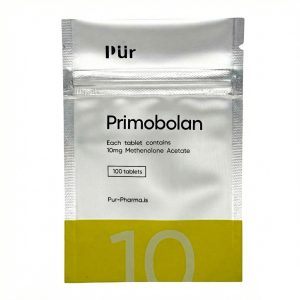
Conditioning Anabolics: Options such as Primobolan Depot, Primobolan Depot Pharmaceutical, Masteron Enanthate, Masteron Propionate, Trenbolone Acetate, and Trenbolone Enanthate.
Oral Enhancements, Secretagogues, and SARMs
Oral compounds from our Tablets section can be integrated into winter strength routines:
-
Strength and Hardening Tablets: Anavar, Turinabol, Winstrol, Proviron, and Halotestin.
Complementary pathways in our SARMs line include LGD-4033, GW-501516, and MK-677. Direct growth hormone and growth factor options in our HGH / HCG section include Primatropin HGH and Belitropina HGH.
Manage body composition during cold months with options from our Fat Burning and Fat Burners lineups, such as Clenbuterol, T3, Burn, or advanced metabolic options like Primotropin Semaglutide.
Stacks, Ancillaries, and Accessories
Streamline your winter protocol using options from our Stacks section: Mass Gain Stack, Power Stack, Strength Stack, Lean Muscle Stack, Chiseling Stack, Shredding Stack, Cutting Stack, and Bulking Stack. Explore our Strength & Performance, Cycle Prep, or All Products pages for complete protocol planning.
Hormonal balance and post-cycle care are managed through our AI / PCT category with Arimidex, Aromasin, Letrozole, HCG 5000IU, Clomid, and Nolvadex.
Support vitality and cognitive health with items from our Sexual Health and Health and Wellness lines. Vitality options include Cialis, Viagra, Superman, Blum, Xcite Viagra, Xcite Cialis, Xcite Superman, and tanning support like Primatropin Melanotan II. For cognitive enhancement, explore mycomind mushroom formulations like Mycomind Elevate Vitality, Mycomind Mello Calm and Rejuvenation, Mycomind Zenergy Focus Energy, Mycomind Mush Love Sexual Health, Mycomind Vital Finesse Immune Booster, Mycomind Neuron Nectar Scooby Snacks, and Mycomind Brain Bloom Cognitive.
Maintain sterile administration with proper accessories like Syringe Sharps and 18 Gauge Pullers.
Conclusion
Cold weather does not have to compromise your training or increase your injury risk. By understanding how lower temperatures affect synovial fluid and tendon elasticity, executing a structured 4-step dynamic warm-up, and backing your efforts with proper recovery protocols, you can train safely and make consistent gains through the winter months.
To explore our full inventory of performance compounds, stacks, and accessories, visit Pur Pharma or get in touch for expert guidance tailored to your fitness goals.
-
Sale! -10.5%
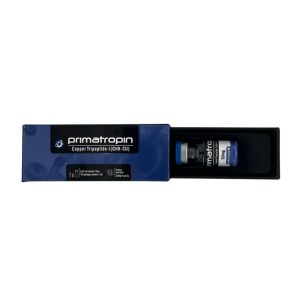
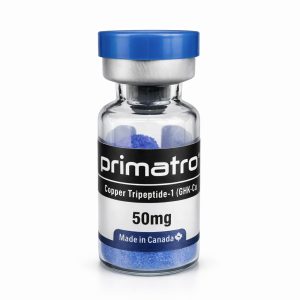 This product has multiple variants. The options may be chosen on the product page
Primatropin GHK-Cu (50mg)
Price range: $85.50 through $315.00 -
Sale! -10.3%
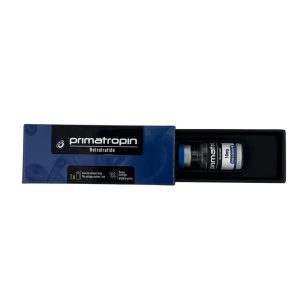
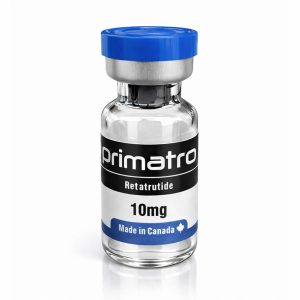 This product has multiple variants. The options may be chosen on the product page
Primatropin Retatrutide (10mg)
Price range: $166.50 through $895.50
LATEST ARTICLES
 Read more +28 October 2026 in Fitness, Tips + Tricks
LL-37: Why Athletes Are Looking at This Peptide Heading Into Cold and Flu Season
 Read more +18 October 2026 in Fitness, Steroids
Halotestin: Why It’s Known as a Strength Compound and What Makes It Different
 Read more +25 September 2026 in Steroids
Your Ultimate Guide to Winstrol: Pros & Cons, Dosage, and More

Recent Posts
-

LL-37: Why Athletes Are Looking at This Peptide Heading Into Cold and Flu Season
... -

Halotestin: Why It’s Known as a Strength Compound and What Makes It Different
... -

Your Ultimate Guide to Winstrol: Pros & Cons, Dosage, and More
... -

Timing Your Meals for Stronger + More Effective Workouts
... -

Peptides vs. Steroids: What’s Better for Muscle Growth?
...

Subscribe to our Newsletter!
Keep Up with us on Social
Shop Pür Pharma
Account + Orders
Useful Information
Copyright © Pür Pharma ||| All Rights Reserved

