



As fitness experts, we are committed, passionate, and motivated.
If we were to pinpoint the two main drivers behind our commitment to delivering exceptional value to the fitness community, it would undoubtedly be our unwavering focus on exceptional product quality and unwavering dedication to customer satisfaction.



How Your Training Intensity Should Shift While on Cycle



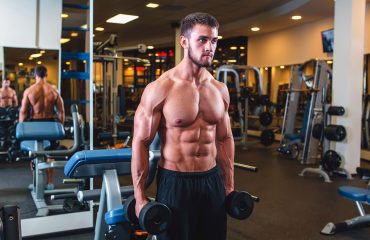
How Your Training Intensity Should Shift While on Cycle
Starting a performance-enhancing cycle is more than just stacking compounds and lifting heavier. Whether you're using testosterone, SARMs, HGH, or oral anabolics, your body shifts into a new gear and your training needs to follow. Muscle recovery speeds up, strength shoots up, and energy soars. But without structured adjustments, you can hit burnout, waste gains, or worse, get injured.
To get the most from your cycle, you’ll need to adjust your training intensity across three key stages: the early cycle ramp-up, the peak intensity window, and the post-cycle recovery phase.
Early Weeks on Cycle: Strategic Ramp-Up Over Raw Power
The early phase of your cycle, usually weeks 1 to 3, is the foundation. Hormone levels are building, not maxed. You’ll feel stronger and fresher, but going full blast too soon is a mistake. Muscle tissue responds quickly, but tendons and ligaments do not. This is a time to play it smart.
Gradually Increase Volume and Frequency
Instead of cranking up your weights, increase training volume slowly. Add 1–2 working sets per major muscle group each week. Keep your rep ranges in the 8–12 zone and intensity around 70–75% of your 1-rep max. Train 4–5 days a week with two rest days to allow for connective tissue recovery.
Use a rotating split like push/pull/legs or upper/lower to manage fatigue while targeting major lifts more than once weekly. This lets you build momentum without overtraining.
Support With Essential Supplements
At this stage, focus on protective and preparatory compounds that optimize internal health and hormonal balance:
- Cycle Prep products help protect your liver and cardiovascular system from stress
- Injectables, such as Testosterone Cypionate, provide smooth, steady hormone levels
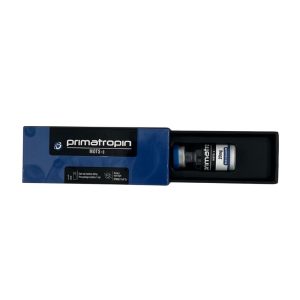
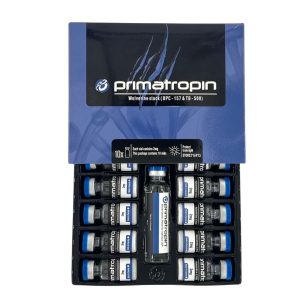
- Primatropin BPC-157 supports tendon and ligament recovery
- Health and Wellness formulas like MycoMind Vital Finesse strengthen immunity during stress
You can also begin low-dose estrogen management early with Aromasin or Arimidex if you’re prone to estrogen-related sides like water retention or mood swings.
Fuel With Nutrition and Recovery Habits
Pair your training increase with more calories—especially from protein. Aim for 1.2 to 1.5 grams of protein per pound of body weight, and space your meals evenly through the day. Get 7–9 hours of sleep, limit alcohol, and hydrate aggressively to keep your body in an anabolic state.
Mid-Cycle: Training at Peak Intensity for Max Gains
By weeks 4 to 8, you're firing on all cylinders. Your testosterone levels are peaking, and your body's anabolic environment is in full swing. This is when you lift heavier, increase volume, and fully capitalize on the cycle's power—but it must be strategic.
Increase Load but Manage Volume
Now’s the time to push heavier weights—80 to 90% of your 1RM—with clean technique. Cut rest times slightly for hypertrophy or increase rest for strength-focused sessions. Train 5–6 days a week if your recovery is on point.
Add techniques like:
- Supersets and drop sets to extend sets for growth
- Rest-pause training for added time under tension
- Weekly personal records (PRs) for compound lifts, but no maxing out more than once per lift per cycle
Periodize Your Week to Prevent Burnout
Alternate your training days:
- Heavy Day: Low reps, high weight (3–5 reps at 85–90% 1RM)
- Moderate Day: Traditional hypertrophy work (8–12 reps)
- Light Day: Higher rep recovery day or mobility-based training
Schedule a deload every 4–6 weeks. Drop your volume by 40–50% and intensity by 20%. This keeps your nervous system sharp and joints healthy.
Add Performance Enhancers to Match Output
This is the best time to introduce goal-specific compounds:
- Mass Gain Stack for size-focused lifters
- Power Stack for strength and explosive output
- Belitropina HGH or Primatropin HGH for enhanced recovery and fat mobilization
- SARMs like LGD-4033 to boost lean mass without water retention
If cutting, Fat Burning products such as Clenbuterol or the Shredding Stack can help maintain muscle while increasing fat loss.
A 2020 review in The National Library of Medicine on anabolic steroid use reported that trained subjects using Testosterone Enanthate significantly increased strength within 6-12 weeks of administration. These results were maximized when combined with progressive overload and structured recovery protocols.

Post-Cycle and PCT: Tapering Down Training Intensity
Coming off cycle is a delicate process. You’re leaving behind peak performance levels, enhanced recovery, and high training volume. Now, your testosterone production is suppressed, recovery slows down, and your risk of injury or burnout spikes. Pushing hard during this phase only increases the odds of losing what you built.
The right move now is to dial things back, support your hormones, and keep your body in a safe, productive zone while it recalibrates.
Reset Your Body While Holding Your Gains
The goal during the post-cycle is not progress—it’s preservation. This is the phase where you hold onto your gains and rebuild your internal hormone engine. You don’t need max lifts to do that. You need recovery-focused training, solid nutrition, and smart supplementation.
Support this phase with HGH and peptide products that assist in joint health, soft tissue repair, and lean mass retention. Great options include:
- Primatropin BPC-157 for gut healing and recovery
- Primatropin TB-500 for joint health and muscle tissue regeneration
- Primatropin HGH to aid with fat metabolism and tissue repair
These products support your body’s ability to bounce back when hormonal production is lagging.
Run Your PCT Stack on Schedule
You’ll also need a structured PCT stack to get your testosterone production firing again. This is where the real hormonal reset happens. It’s not just about recovery—it’s about keeping what you earned.
Use this PCT flow to stay in control:
- Start with HCG 5000 IU during the two weeks after your last injection
- Then transition into a SERM-based protocol using Clomid, Nolvadex, or Letrozole
- Use a ready-made Cycle Prep kit if you want a plug-and-play option with built-in support for liver and cardiovascular systems
To add even more protection, you can stack Aromasin to manage estrogen or Proviron if you need an androgenic boost without conversion.
You’ll want to run PCT for four to six weeks depending on your compound choices. For longer cycles involving Sustanon, Equipoise, or TNT-500, lean toward the full six-week recovery plan.
Final Thoughts
Your training shouldn't stay the same from week 1 of a cycle through post-cycle therapy. Your intensity, volume, and recovery need to evolve with your body’s shifting capabilities and limitations. When you adjust your programming intelligently and use the right support products, you’ll see better results with fewer setbacks.
To explore the right products for your current cycle phase, visit Pur Pharma, where you'll find expert-level compounds, stacks, and support items to match any goal. Need help choosing your next stack or dialing in your PCT? Contact us here—we’re here to help.
-
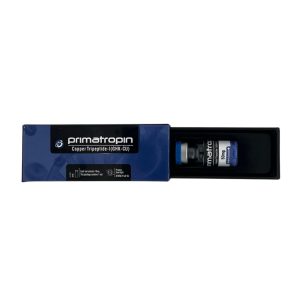
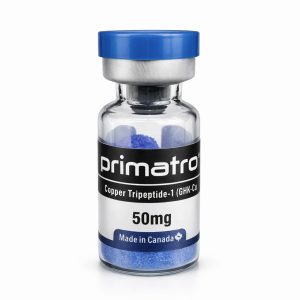 This product has multiple variants. The options may be chosen on the product page
Primatropin GHK-Cu (50mg)
Price range: $95.00 through $350.00 -
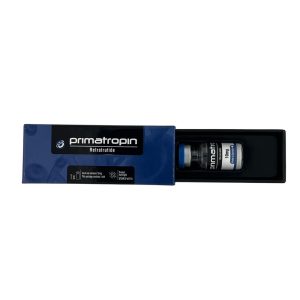
 This product has multiple variants. The options may be chosen on the product page
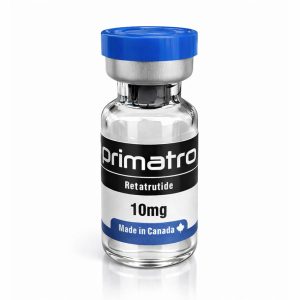
Primatropin Retatrutide (10mg)
Price range: $185.00 through $995.00
LATEST ARTICLES
 Read more +25 September 2026 in Steroids
Your Ultimate Guide to Winstrol: Pros & Cons, Dosage, and More
 Read more +14 September 2026 in Nutrition, Tips + Tricks
Timing Your Meals for Stronger + More Effective Workouts


Recent Posts
-

Your Ultimate Guide to Winstrol: Pros & Cons, Dosage, and More
... -

Timing Your Meals for Stronger + More Effective Workouts
... -

Peptides vs. Steroids: What’s Better for Muscle Growth?
... -

Why The StairMaster is Elite For Your Workouts
... -

The Top 3 SARMs You NEED To Include In Your Steroid Cycle
...

Subscribe to our Newsletter!
Keep Up with us on Social
Shop Pür Pharma
Account + Orders
Useful Information
Copyright © Pür Pharma ||| All Rights Reserved

