


As fitness experts, we are committed, passionate, and motivated.
If we were to pinpoint the two main drivers behind our commitment to delivering exceptional value to the fitness community, it would undoubtedly be our unwavering focus on exceptional product quality and unwavering dedication to customer satisfaction.



Anabolic + SARMs Stacking: Safe or Risky?




Anabolic + SARMs Stacking: Safe or Risky?
The intersection of traditional anabolic steroids and Selective Androgen Receptor Modulators (SARMs) represents one of the most debated topics in modern performance enhancement. As SARMs have gained popularity for their purported tissue-selective effects and reduced side effect profiles, many athletes wonder whether combining them with conventional steroids offers synergistic benefits or simply compounds risks.
Understanding the Pharmacological Differences
Before evaluating the safety and efficacy of combining anabolics with SARMs, understanding their fundamental pharmacological differences proves essential. Traditional anabolic steroids are synthetic derivatives of testosterone that bind to androgen receptors throughout the body, activating them in muscle tissue, bone, prostate, skin, and numerous other locations. This non-selective activation produces both desired effects like muscle growth and unwanted androgenic effects including prostate enlargement, male pattern baldness, and acne. Compounds like Testosterone Cypionate and Trenbolone Acetate deliver powerful anabolic stimulation but inevitably activate androgen receptors systemically.
SARMs were developed specifically to overcome this limitation through tissue-selective receptor modulation. Research published in the Journal of Medicinal Chemistry demonstrates that SARMs like LGD-4033 preferentially activate androgen receptors in muscle and bone tissue while demonstrating reduced activity in reproductive organs and sebaceous glands. This selectivity theoretically allows for anabolic benefits with minimized androgenic side effects. Clinical trials have shown that certain SARMs can increase lean body mass by 1-2 kilograms over 12 weeks with relatively favorable safety profiles compared to traditional steroids.
Key pharmacological distinctions include:
-
Receptor activation patterns: Steroids activate androgen receptors universally; SARMs demonstrate preferential tissue targeting
-
Conversion pathways: Many steroids aromatize to estrogen or reduce to DHT; most SARMs avoid these metabolic conversions
-
Suppression intensity: Steroids completely shut down natural testosterone production; SARMs typically cause partial suppression
-
Administration routes: Steroids often require injection; most SARMs are orally bioavailable
-
Legal status: Anabolic steroids are controlled substances; SARMs occupy a regulatory gray area
The Potential Benefits: Theoretical vs. Practical Outcomes
The rationale for combining anabolic steroids with SARMs centers on achieving synergistic effects that exceed what either compound class delivers independently. In theory, a testosterone base like Testosterone Enanthate provides comprehensive hormonal support, maintains normal physiological functions, and delivers foundational anabolic stimulus. Adding SARMs theoretically layers additional tissue-selective anabolic signaling without proportionally increasing systemic androgenic load. This approach appears particularly attractive during cutting phases, where maintaining muscle tissue under caloric restriction becomes paramount.
Some experienced users incorporate SARMs into established steroid protocols to address specific goals. For instance, adding MK-677, technically a growth hormone secretagogue rather than a true SARM, alongside compounds in a lean muscle stack may enhance recovery and maintain fullness during dieting phases. The elevated growth hormone and IGF-1 levels from MK-677 work through different pathways than androgenic compounds, creating complementary rather than redundant effects. Similarly, some athletes add GW-501516 to their protocols for its endurance-enhancing effects mediated through PPAR-delta activation, completely independent of androgen receptor pathways.
Research from the Journal of Clinical Endocrinology & Metabolism indicates that SARMs can produce muscle mass increases monotherapy in clinical populations. When combined with anabolic steroids that already maximize androgen receptor activation, the additional gains from SARMs become questionable. If traditional steroids are already saturating androgen receptors with supraphysiological signaling, adding more androgen receptor agonists, even tissue-selective ones, offers diminishing returns. The muscle tissue can only respond to so much anabolic stimulation before reaching practical limits.
The Risk Profile: Compounding Rather Than Reducing Concerns
Cardiovascular concerns represent another significant consideration. Research published in Circulation indicates that both anabolic steroids and SARMs negatively impact lipid profiles, though through slightly different mechanisms. Steroids typically reduce HDL cholesterol dramatically while increasing LDL, whereas some SARMs show more moderate but still unfavorable lipid shifts. Combining these compounds creates cumulative cardiovascular stress that exceeds either class alone. Users must implement comprehensive health and wellness protocols including regular monitoring and cardiovascular support measures.
Hepatotoxicity presents particular concern when combining oral SARMs with methylated oral steroids or when using multiple hepatotoxic compounds simultaneously. While SARMs demonstrate less liver stress than methylated steroids like Dianabol or Anadrol, they still require hepatic processing. Stacking multiple oral compounds, whether SARMs, oral steroids, or combinations, increases liver enzyme elevation risk. Comprehensive bloodwork becomes non-negotiable, with liver function panels required at baseline, mid-cycle, and post-cycle to ensure hepatic health.
Primary risk factors include:
-
Compounded hormonal suppression requiring more aggressive post-cycle therapy with Clomid and Nolvadex
-
Cumulative cardiovascular stress affecting lipids, blood pressure, and left ventricular hypertrophy
-
Potential hepatotoxicity, particularly with oral compound combinations
-
Unknown long-term safety profiles for SARMs, which lack decades of human use data
-
Complicated side effect attribution when problems arise from multi-compound protocols
-
Increased financial cost without proportional benefit increases
The regulatory ambiguity surrounding SARMs introduces additional practical concerns. Unlike pharmaceutical-grade steroids available through pharmaceutical sources, SARM quality control varies significantly across suppliers. Contamination, underdosing, and misrepresentation of compounds create risks that complicate protocols and potentially introduce unknown substances. Quality assurance becomes paramount when incorporating these compounds.
Conclusion: Weighing the Evidence
For most users, particularly those without extensive enhancement experience, the risk-benefit calculation favors optimizing traditional steroid protocols before adding SARMs. Well-designed combinations of proven compounds like those related to strength and performance or mass building from Pur Pharma, coupled with appropriate ancillaries from AI/PCT, typically deliver excellent results without the complications of multi-class stacking.
For advanced users who have maximized traditional approaches and accept the additional complexity and monitoring requirements, strategic SARM additions might offer incremental benefits during specific phases. Those considering anabolic-SARM combinations should prioritize thorough cycle preparation, maintain conservative dosing, and implement vigilant health monitoring throughout their protocols. For personalized guidance on designing effective enhancement strategies, contact our experienced team for consultation based on your specific goals and risk tolerance.
-
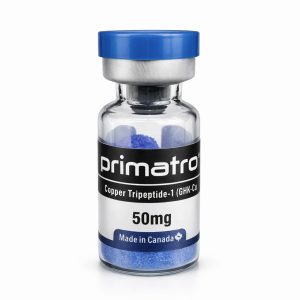 This product has multiple variants. The options may be chosen on the product page
Primatropin GHK-Cu (50mg)
Price range: $95.00 through $350.00 -
 This product has multiple variants. The options may be chosen on the product page
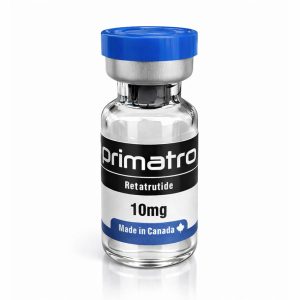
Primatropin Retatrutide (10mg)
Price range: $185.00 through $995.00
LATEST ARTICLES
 Read more +25 September 2026 in Steroids
Your Ultimate Guide to Winstrol: Pros & Cons, Dosage, and More
 Read more +14 September 2026 in Nutrition, Tips + Tricks
Timing Your Meals for Stronger + More Effective Workouts


Recent Posts
-

Your Ultimate Guide to Winstrol: Pros & Cons, Dosage, and More
... -

Timing Your Meals for Stronger + More Effective Workouts
... -

Peptides vs. Steroids: What’s Better for Muscle Growth?
... -

Why The StairMaster is Elite For Your Workouts
... -

The Top 3 SARMs You NEED To Include In Your Steroid Cycle
...
Subscribe to our Newsletter!
Keep Up with us on Social
Shop Pür Pharma
Account + Orders
Useful Information
Copyright © Pür Pharma ||| All Rights Reserved

